Can I Get Sued for a Bad Review of My Landlord? Defamation Basics
Want to post an honest bad review of your landlord or a local shop? Learn general defamation basics, why truth and opinion matter, and how to post more safely.
“Nearly re-enrolled in English class while reading a lease.”
Theology · Scripture Cards
Open a scripture card
Already read and shared by 315 people.
 The Lord Is My Shepherd
Psalm 23:1, 4
Yahweh is my shepherd; I shall lack nothing. … Even though I walk through the valley of the shadow of death, I will fear no evil, for you…
Read this card
 I Am with You Always
Matthew 28:20
teaching them to observe all things that I commanded you. Behold, I am with you always, even to the end of the age.” Amen.
Read this card
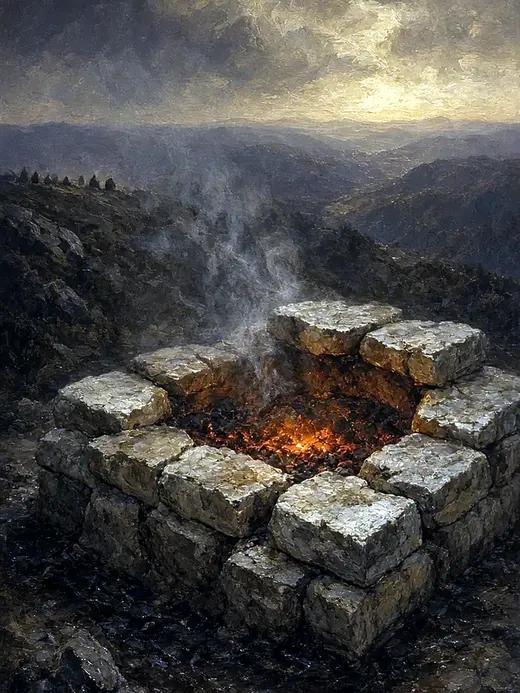 The Lord, He Is God
1 Kings 18:38-39
Then Yahweh’s fire fell and consumed the burnt offering, the wood, the stones, and the dust; and it licked up the water that was in the…
Read this card
 Daughter, Your Faith Has Healed You
Mark 5:34
He said to her, “Daughter, your faith has made you well. Go in peace, and be cured of your disease.”
Read this card
 In the Name of the Lord
1 Samuel 17:45, 47
Then David said to the Philistine, “You come to me with a sword, with a spear, and with a javelin; but I come to you in the name of Yahweh…
Read this card
 The New Covenant in My Blood
Luke 22:19-20
He took bread, and when he had given thanks, he broke and gave it to them, saying, “This is my body which is given for you. Do this in…
Read this card
 Wings like Eagles
Isaiah 40:31
but those who wait for Yahweh will renew their strength. They will mount up with wings like eagles. They will run, and not be weary. They…
Read this card
 Not My Will, but Yours
Luke 22:42
saying, “Father, if you are willing, remove this cup from me. Nevertheless, not my will, but yours, be done.”
Read this card
Key Takeaways
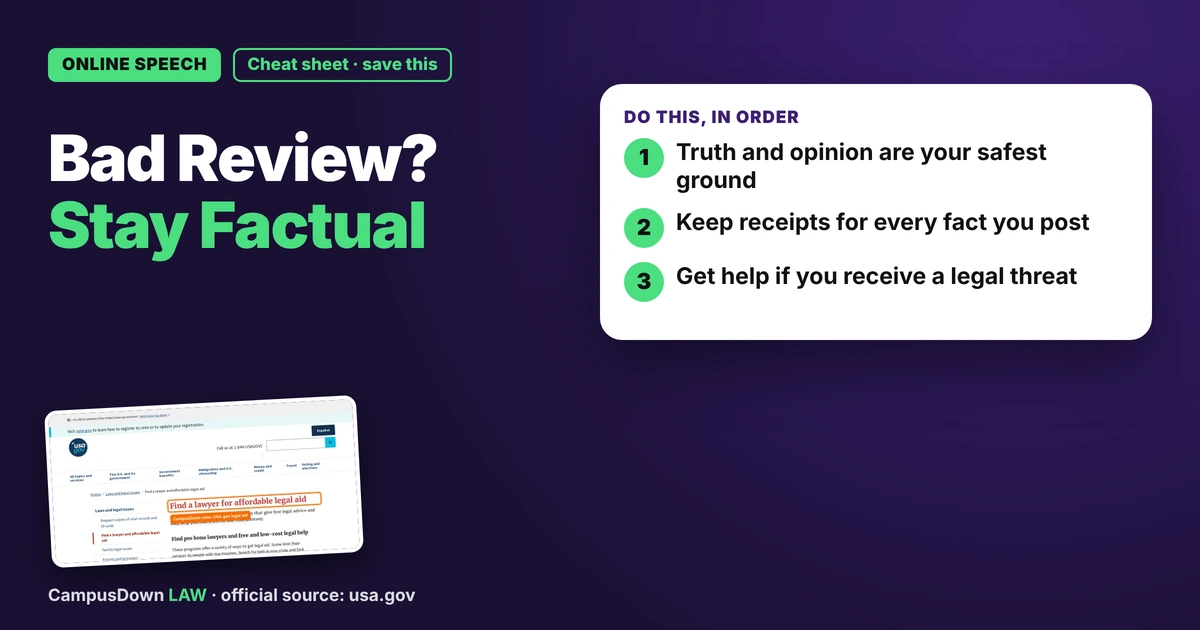
- Truth and opinion are your safest ground.
- Keep receipts for every fact you post.
- Get help if you receive a legal threat.
General information, not legal advice. Rules vary by state and can change; check the official sources linked in this guide.
My landlord took three weeks to fix the heat, and my fingers are typing a one-star review before my brain catches up. If you're also asking can i get sued for posting a bad review about my landlord, here's the general idea of how this works.
Not legal advice. I'm a cold college guy in a hoodie, not a media lawyer. Defamation rules vary by state.
The free speech part
The First Amendment protects a lot of speech from government punishment. That said, it doesn't stop a private person or company from suing you for defamation. The balance between those two is explained on the wiki page about freedom of expression and defamation.
What defamation usually means
In general terms, defamation is a false statement of fact that harms someone's reputation. Each piece matters:
- False:* True statements are usually not defamation.
- Fact:* "This landlord is the worst" sounds like opinion. "This landlord stole my deposit" sounds like a factual claim you'd need to back up.
- Harm:* The statement has to hurt their reputation in a meaningful way.
That first point is a big deal. The wiki page on truth as a defense to defamation explains why provable facts are such solid ground. Opinions based on facts you share are generally safer than accusations you can't prove.
How to write a review that's harder to attack
Stick to what happened and what you can prove:
- "I reported no heat on a date. It was fixed weeks later." (Factual, provable with texts.)
- "I felt ignored and frustrated." (Your feelings, which are opinion.)
- Skip labels like "scammer" or "criminal" unless a court actually said so.
Keep your screenshots and emails. If the facts in your review are ever questioned, you want receipts.
What if you get a scary letter?
Some businesses send "take it down or else" letters. Don't ignore them, but don't panic either. Save the letter and talk to a lawyer or legal aid office. Some states have laws meant to quickly toss lawsuits that target public speech, often called anti-SLAPP laws, but they vary a lot. USA.gov has a page to help you find free legal aid.
Privacy matters too
Don't post someone's phone number, home address, or personal info. That can create a different set of legal problems and it's just not cool.
Legal stuff is easier with a friend. Send this to someone who could use it.
Pick an app — it just sends the link, nothing else.
Frequently Asked Questions
Can my landlord sue me for a bad review?
Anyone can try to sue, but truthful facts and honest opinions are generally protected. Rules vary by state. Not legal advice.
Is an opinion defamation?
Pure opinions usually aren't, but opinions that imply false facts can be risky.
What should I do if I get a cease and desist letter?
Save it and talk to a lawyer or legal aid before responding.
How do I write a safer negative review?
Stick to provable facts and your own feelings. Avoid accusations of crimes.